

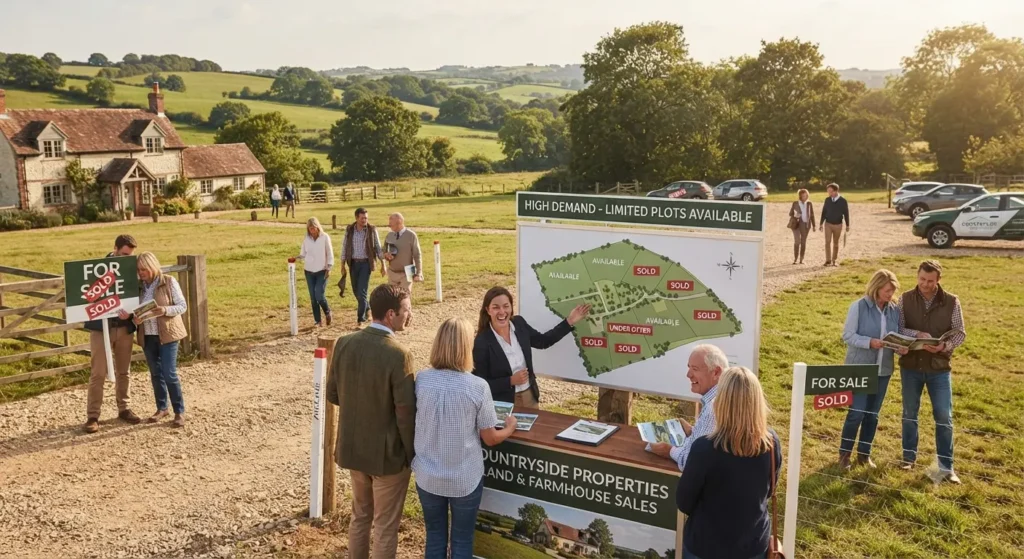
Today’s home buyers’ tastes are evolving. Although apartments and traditional residential properties are still popular choices for homebuyers, land ownership and farmhouse properties are also gaining popularity as other options. As people become more land-hungry and more interested in buying farm houses, this trend toward larger homes, lifestyle investments, and long-term asset building is evident.
The land ownership allows the flexibility and a closer relationship to nature than a mere apartment ownership to those who look for more than just an apartment. In particular, farmhouses are gaining popularity among families, investors, entrepreneurs, and professionals seeking weekend residences in private locations near urban areas.
What is driving up the demand for land?
Since land is a naturally limited resource, it has always been regarded as a valuable asset in the real estate industry. The land does not depreciate like constructed properties do based on the age of the structures or the inside of the building that is out dated. It is determined by the place, building, road facilities, convenience, developmental capacity and demand.
Highways, expressways, airports, industrial corridors and new commercial hubs can progressively turn previously underdeveloped areas into real estate hot spots.
This has driven investors to venture into new markets other than existing metros, where having land ownership gives them potential gains in the long term.
For some, owning a farmhouse is now a way of life.For some, farmhouse ownership is becoming a lifestyle choice.
The modern farmhouse is no longer just considered a big country house. It is becoming more and more of a lifestyle investment.
Residents of the metropolitan area are looking for a private area, away from traffic, noise, and crowded buildings when they want to get away for the weekend. A farmhouse can provide a garden, open spaces, recreational areas, outdoor seating and a more relaxed environment.
It can be a weekend getaway for families. It can be a second home for some or a place to gather for others, or a long-term real estate investment.Such a lifestyle and ownership is one of the principal factors resulting in the growth of land and farmhouse ownership.
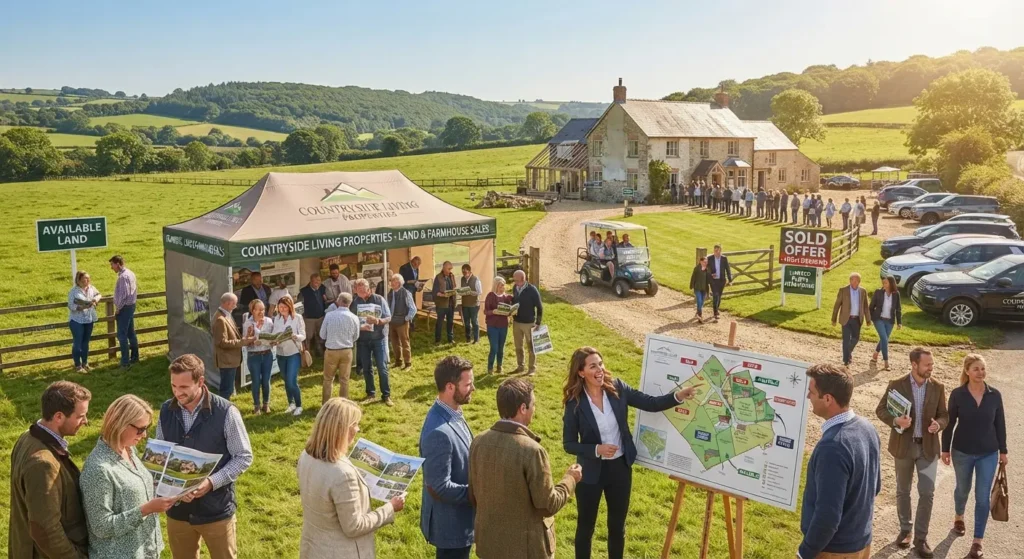
Analysis of How Urban Property Buyers’ Preferences Change.
The cost of urban housing has risen in many main cities. Meanwhile, consumers are also getting savvy about how much space they’re getting with their purchase.
Although a compact apartment can make life easy and connected, it might not offer the privacy, space, or options for customization that a buyer may want.
These requirements can be met through land ownership and farmhouse in a variety of ways.
Buyers might want to buy a property that they can choose to work on themselves, rather than one that is already completed and finished in a fixed layout, layout of interior spaces, outdoor spaces and/or the overall design (where applicable local regulations and approvals allow).
In the growing market for emerging land-based economies, connectivity is playing an ever-increasing role.
One of the biggest factors influencing land demand is improved connectivity.
The construction of new express roads and highways can help shorten the transportation time period among cities and emerging destinations. Improved road connectivity in turn benefits areas for commercial activity, business and tourism, airports and residential areas.
This has attracted land buyers in particular to sites within or close to a major transportation corridors.
For instance, the farmhouse and land-based developments in areas around the Delhi-NCR region are attracting more buyers, who are searching for relatively easy-to-access-to-city but more open areas.
But connectivity is not the only aspect to be taken into consideration. Before buying land, investors should take into account the physical condition of the infrastructure, access to the roads, the development of the immediate surroundings, legal status, and plans for the future.
Why Investors Are Considering Land Banking
Land banking is the practice of buying land for the long term, rather than for immediate development or sale.
This idea is attractive to investors who are confident that a brand-new area may see increased demand as infrastructure and economic activity grows.
Undeveloped land does not need to be regularly upgraded or renovated like many built properties. But owning land is also a responsibility, and entails the need for proper records, knowledge of the land-use laws, payment of relevant taxes and verification of ownership.
Hence, the idea of land banking should be considered as a research-based investment approach and not as a quick monetary get rich scheme.
How Gated Farmhouse Communities came into existence.How Gated Farmhouse Communities came into existence.
A second major factor contributing to the growing popularity of owning the land and farmhouse is the growing presence of organized and gated farm communities.
Access, security, infrastructure and maintenance issues are sometimes encountered at the individual land purchase level. Planning of a professionally designed community might be able to mitigate some of these issues, and provide access control, internal roads, landscaping, common facilities and security.
These communities can attract buyers who are looking for a piece of land coupled with lifestyle features.
However, it is important for a buyer to check the approvals, land ownership, title, development permissions and terms of ownership of a project for themselves.
There are certain things that Buyers should be aware of before they buy the land.
It’s never too late to do the proper due diligence.
Prior to purchasing land or farmhouse property, buyers should thoroughly research:
The ownership and title history of an aircraft
- Land-use classification
- A review of encumbrances and unresolved issues.
- Record mutation and revenues
- All layout and development permissions are approved.
- Road and physical access.
- Applicable construction regulations
- Availability of water and electricity.
- Registration and documentation requirements must be met.
- Local authority approvals
- Market value as opposed to the price quoted
Professional legal and property advice can assist in the identification of issues that may not be apparent when in the site.
Should You Buy or Rent a Farmhouse?
For individuals that appreciate space, privacy, nature and long-term property ownership, farmhouse ownership may be a viable choice. It could also be of interest to investors seeking to spread their real estate investments beyond traditional apartment properties.
But it comes down to what goals the buyer has in mind, though.
If you want to make the best possible decision, it’s important that you have a clear understanding of the purchase’s purpose first.
Someone seeking a weekend home will look for benefits and lifestyle. An investor can put more emphasis on location growth, infrastructure, demand and exit potential. Land-use regulations and development permissions might be more important for a family planning to build a farmhouse.
Looking Ahead
Among land and farmhouse preferences, the growing desire for land has accompanied the growing preference for ownership rather than rent. People are looking at the built-up area of property and, increasingly, at the lifestyle and potential it offers, as well as the privacy and flexibility it affords.
Urbanization and increasing access to new destinations will keep bringing awareness to land and farmhouse communities as attractive options to traditional housing.
But the difference is between a good opportunity and marketing hype. With a promising location comes proper documentation, realistic pricing, legal verification, and good due diligence.
Investing in land and a farmhouse can be a long-term investment and more than just a real estate purchase for those willing to do their homework and think outside the box.
Frequently Asked Questions
The increasing demand for land and farmhouse ownership is primarily driven by a post-pandemic shift toward wellness, a desire for sustainable living, escaping urban congestion, and seeking secure tangible assets that offer high long-term appreciation.
Key factors include the rise of remote work flexibility, a preference for weekend getaways, rising disposable incomes among urban professionals, and the desire to grow organic food close to nature.
Yes, fueled by the increasing demand for land and farmhouse ownership, land value appreciation typically outperforms traditional urban apartments. Additionally, farmhouses can generate rental income through short-term vacation stays or agricultural output.
The primary buyers include corporate professionals, high-net-worth individuals (HNWIs), retirees looking for peaceful spaces, and tech entrepreneurs wanting sustainable second homes away from city noise.
Modern buyers look for high-speed internet connectivity for remote work, eco-friendly features like solar power and rainwater harvesting, organic farming zones, security systems, and luxury leisure amenities like swimming pools.
With remote and hybrid work models becoming mainstream, employees no longer need to live within walking distance of downtown offices. This flexibility has heavily catalyzed the increasing demand for land and farmhouse ownership on city outskirts.
Buyers must verify local land-use zoning laws, check if agricultural land conversion is legally permitted for residential structures, ensure clear land titles, and verify state-specific regulations regarding agricultural land ownership.
Yes, gated communities are exceptionally popular because they offer the privacy and open space of a farmhouse coupled with community security, shared maintenance services, and better infrastructure.
Owning a farmhouse enables individuals to adopt eco-friendly lifestyles through organic farming, water conservation, renewable energy adoption, and minimized carbon footprints, aligning directly with modern environmental consciousness.
The outlook remains extremely bullish. As urban centers become more crowded and people prioritize mental wellness and asset security, the increasing demand for land and farmhouse ownership is projected to grow steadily over the coming decade.