

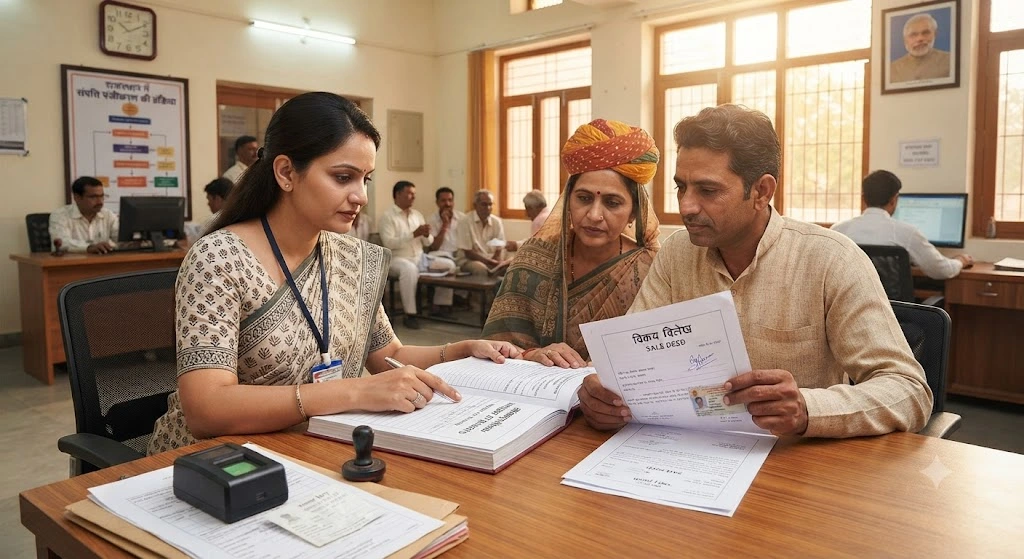
Purchasing property is a major investment, and completing the registry process in Rajasthan is one of the most important legal steps to establish ownership. Whether you’re buying agricultural land, a residential plot, a farmhouse, or commercial property, property registration ensures that the transaction is legally recognized.
This guide explains the registry process in Rajasthan, the documents required, applicable charges, and important tips to help you complete your property registration smoothly.
What Is Property Registry?
Property registry, also known as property registration, is the legal process of recording the transfer of ownership with the government. Once the sale deed is registered, the buyer becomes the lawful owner of the property under the terms of the registered document.
The registration process is carried out at the office of the Sub-Registrar under the Registration Department of the Government of Rajasthan.
Why Is Property Registration Important?
Registering your property offers several legal and practical benefits.
Benefits of Property Registry
- Establishes legal ownership
- Creates an official public record of the transaction
- Reduces the risk of property fraud
- Helps resolve ownership disputes
- Supports loan applications
- Enables future resale or transfer
- Strengthens legal protection for buyers
- Facilitates mutation of land records
Without proper registration, proving ownership can become difficult and may lead to legal complications.
Who Should Register a Property?
Property registration is required for various types of transactions, including:
- Purchase of residential plots
- Agricultural land purchases
- Farmhouse investments
- Commercial property purchases
- Gift deeds
- Family settlements
- Partition deeds
- Exchange deeds
Documents Required for Property Registry in Rajasthan
Before visiting the Sub-Registrar’s office, keep the following documents ready.
Buyer Documents
- Aadhaar Card
- PAN Card
- Passport-size photographs
- Address proof
- Mobile number
Seller Documents
- Aadhaar Card
- PAN Card
- Identity proof
- Address proof
Property Documents
- Original Sale Deed
- Previous title documents
- Jamabandi (where applicable)
- Mutation records
- Khasra details for agricultural land
- Property tax receipts (if applicable)
- Encumbrance-related documents, if required
Other Documents
- Passport-size photographs of witnesses
- Identity proof of witnesses
- Power of Attorney (if applicable)
The exact requirements may vary depending on the nature of the property and the transaction.
Step-by-Step Registry Process in Rajasthan
Step 1: Verify Property Documents
Before making any payment, verify:
- Ownership records
- Jamabandi
- Mutation status
- Khasra Number
- Encumbrance status
- Identity of the seller
This helps avoid legal disputes later.
Step 2: Prepare The Sale Deed
A legal professional typically prepares the sale deed with details such as:
- Buyer information
- Seller information
- Property description
- Sale consideration
- Terms and conditions
- Rights and obligations
Both parties should carefully review the document before signing.
Step 3: Calculate Stamp Duty And Registration Charges
Before registration, the applicable stamp duty and registration charges must be paid as per the prevailing rules in Rajasthan. The rates may differ based on factors such as the property’s location, type, value, and applicable government policies.
Always verify the latest rates with the Registration Department or your legal advisor before proceeding.
Step 4: Visit The Sub-Registrar Office
The buyer, seller, and witnesses visit the concerned Sub-Registrar Office on the scheduled date.
Officials verify:
- Identity documents
- Property documents
- Signatures
- Photographs
- Biometric details (where applicable)
Step 5: Registration of Sale Deed
After successful verification:
- The sale deed is signed.
- Government records are updated.
- The document is officially registered.
The registered sale deed serves as an important legal record of the transaction.
Step 6: Apply For Property Mutation
After registration, the buyer should apply for property mutation so that the Revenue Department updates the ownership records.
Mutation is essential for maintaining accurate government land records and property tax records.
Property Registration Timeline
The duration of the registration process depends on document verification, appointment availability, and local administrative procedures.
Delays can occur if:
- Documents are incomplete
- Ownership records are unclear
- Property disputes exist
- Required approvals are pending
Keeping all documents ready can help streamline the process.
Common Mistakes Buyers Should Avoid
Many buyers unknowingly make mistakes during property registration.
Avoid:
- Skipping legal verification
- Ignoring Jamabandi records
- Not checking mutation status
- Buying disputed property
- Signing documents without reading them
- Failing to verify the seller’s ownership
- Not preserving copies of registered documents
A careful review before registration can prevent future legal issues.
Importance of Jamabandi, Khasra Number, and Mutation
For agricultural land and farmhouse investments in Rajasthan, buyers should verify:
Jamabandi
Confirms ownership details maintained by the Revenue Department.
Khasra Number
Uniquely identifies the specific parcel of land.
Mutation
Updates ownership records after the property transfer.
Checking these records before registration helps ensure a safer transaction.
Can Property Registration Be Started Online?
Rajasthan provides digital services for several property-related processes, including appointment booking and access to certain registration-related services through official government portals. However, depending on the transaction type and applicable rules, the final execution of the registration may still require in-person verification and document execution.
Tips for a Smooth Registry Process
- Verify ownership before making payment.
- Check all land records carefully.
- Ensure the sale deed contains accurate information.
- Keep original documents ready.
- Pay applicable government charges through authorized channels.
- Carry valid identity proof.
- Retain certified copies of all registered documents.
Final Thoughts
Understanding the registry process in rajasthan is essential for anyone buying agricultural land, residential plots, farmhouses, or commercial property. A properly registered property not only establishes legal ownership but also protects your investment from future disputes.
Before completing any property transaction, verify ownership records, review supporting land documents such as Jamabandi, Khasra Number, and Mutation, and ensure the sale deed is correctly executed. Following the proper registration process helps make your investment secure and legally compliant.